


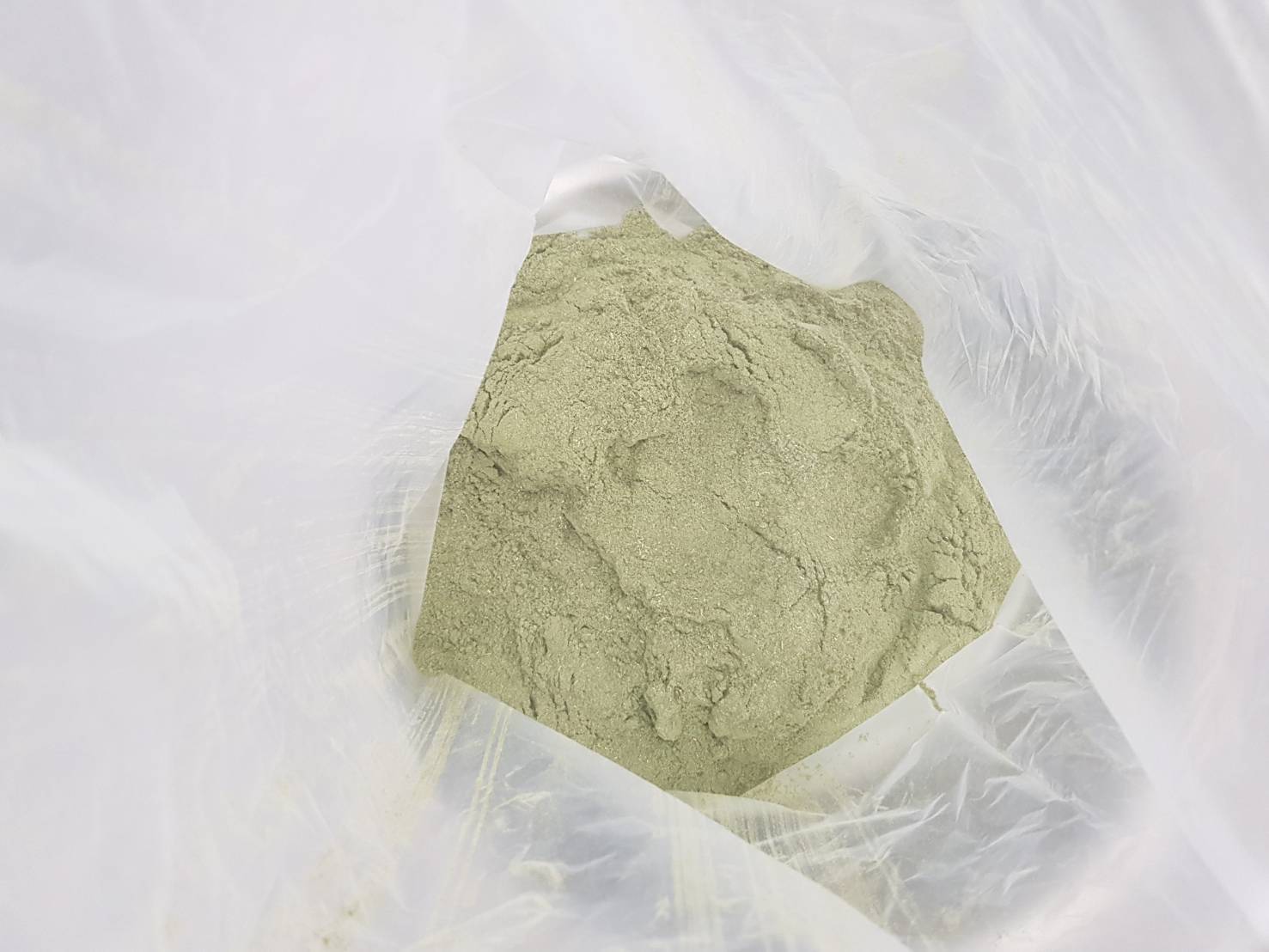




่่Premium Kratom Powder : per/kg.
$90.00 Original price was: $90.00.$60.00Current price is: $60.00.
Category: Kratom Powder (Pure & Natural 100%)
Kratom Powder is a botanical substance derived from the dried leaves of Mitragyna speciosa, a tropical evergreen tree in the Coffee family (Rubiaceae). Unlike concentrated extracts, the powder represents the “whole leaf” in a pulverized form, maintaining its full biological profile.
1. Phytochemistry (The Chemical Profile)
From a scientific perspective, Kratom powder is a complex matrix of over 40 bioactive alkaloids. The most significant components include:
-
Mitragynine: The primary indole alkaloid responsible for most of the plant’s effects.
-
7-Hydroxymitragynine: A potent secondary alkaloid that acts as a specialized mu-opioid receptor agonist.
-
Secondary Alkaloids: Includes Paynantheine and Speciogynine, which contribute to the herb’s overall therapeutic synergy.
2. Biological Mechanism (How it Works)
Kratom powder is unique because its pharmacological action is dose-dependent:
-
Micro-Dose (Stimulant effect): At low doses, it interacts with post-synaptic &2-adrenergic receptors, increasing energy, alertness, and sociability.
-
Macro-Dose (Analgesic effect): At higher doses, it binds to mu-opioid receptors in the central nervous system, providing significant pain relief and sedation without the severe respiratory depression associated with synthetic opioids.